AI in Healthcare: What Clinicians Trust and What They Reject
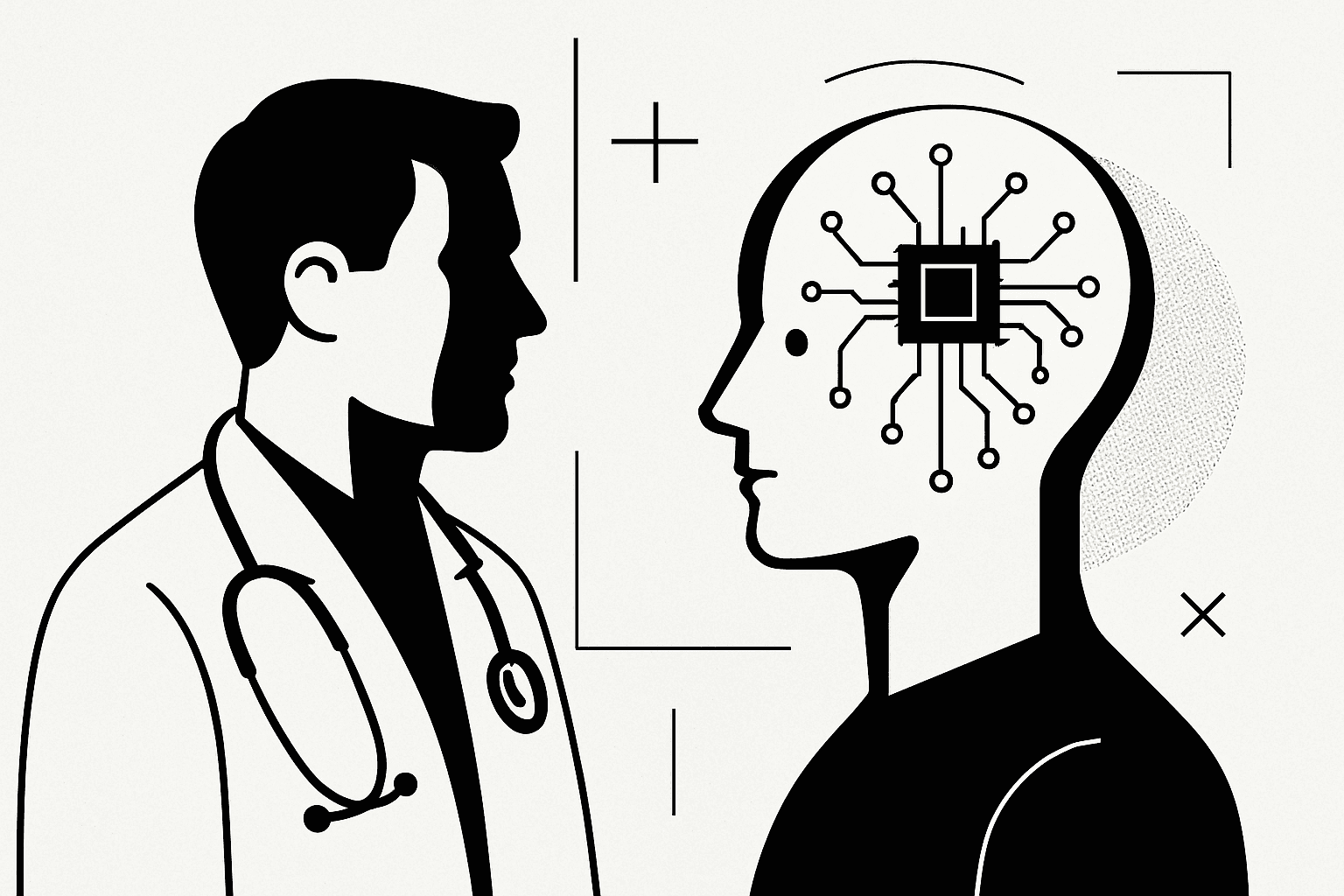
In the realm of healthcare, AI promises a revolutionary uplift in how clinicians diagnose, treat, and manage patient care. Yet, despite its potential, AI technology often faces nuanced reception from the very professionals it aims to aid. Understanding what elements of AI clinicians trust—and what they tend to reject—is vital for developers and healthcare providers alike.
The Trust Factor
Clinicians generally trust AI applications when they augment rather than override their expertise. For instance, diagnostic tools that assist in analyzing imaging studies are widely accepted when they provide a second opinion or help highlight potential issues that the human eye might miss. These tools are companions that amplify the clinician's capabilities and reduce human error without challenging their professional judgment.
Furthermore, AI applications that offer transparency in how decisions are made tend to garner more trust. Clinicians are more likely to embrace systems where they can see and understand the factors contributing to AI-generated recommendations. Clear reporting and traceable decision pathways not only build trust but also promote responsible usage.
Areas of Skepticism
Conversely, the healthcare community remains skeptical about AI systems that operate as 'black boxes'—those whose decision-making processes are opaque. When AI tools provide outcomes without offering insights into how those conclusions were drawn, clinicians are wary. This distrust stems from the potential risks of misdiagnosis or treatment based on unexplained technology, which could lead to malpractice or compromise patient safety.
Moreover, tools that attempt to fully automate clinical decision-making without human oversight are often rejected. Clinicians are acutely aware of the nuances and complexities inherent in patient care that machine learning models might not fully capture. Personal patient interactions, clinical experience, and the ability to consider unique patient histories are aspects of care that AI cannot substitute.
Bridging The Gap
To bridge the gap between trust and skepticism, it's essential for AI developers to prioritize transparency and collaboration. Engaging with clinicians throughout the development process ensures that AI solutions meet practical needs and respect professional expertise. Additionally, ongoing training and support for AI tools can help clinicians feel empowered rather than replaced.
By focusing on these collaborative efforts, we create AI technologies that not only enhance clinical practice but also foster trust and reliance among healthcare practitioners. Implementing AI that respects and preserves the clinician's role will result in smoother integration and better outcomes for patients.
If you're a healthcare provider or an AI developer looking to navigate this complex landscape, we can help. Let's work together to create AI solutions that clinicians confidently trust. Reach out to us here to discuss your needs and aspirations.