AI in Clinical Documentation: What's Actually Reducing Physician Burnout
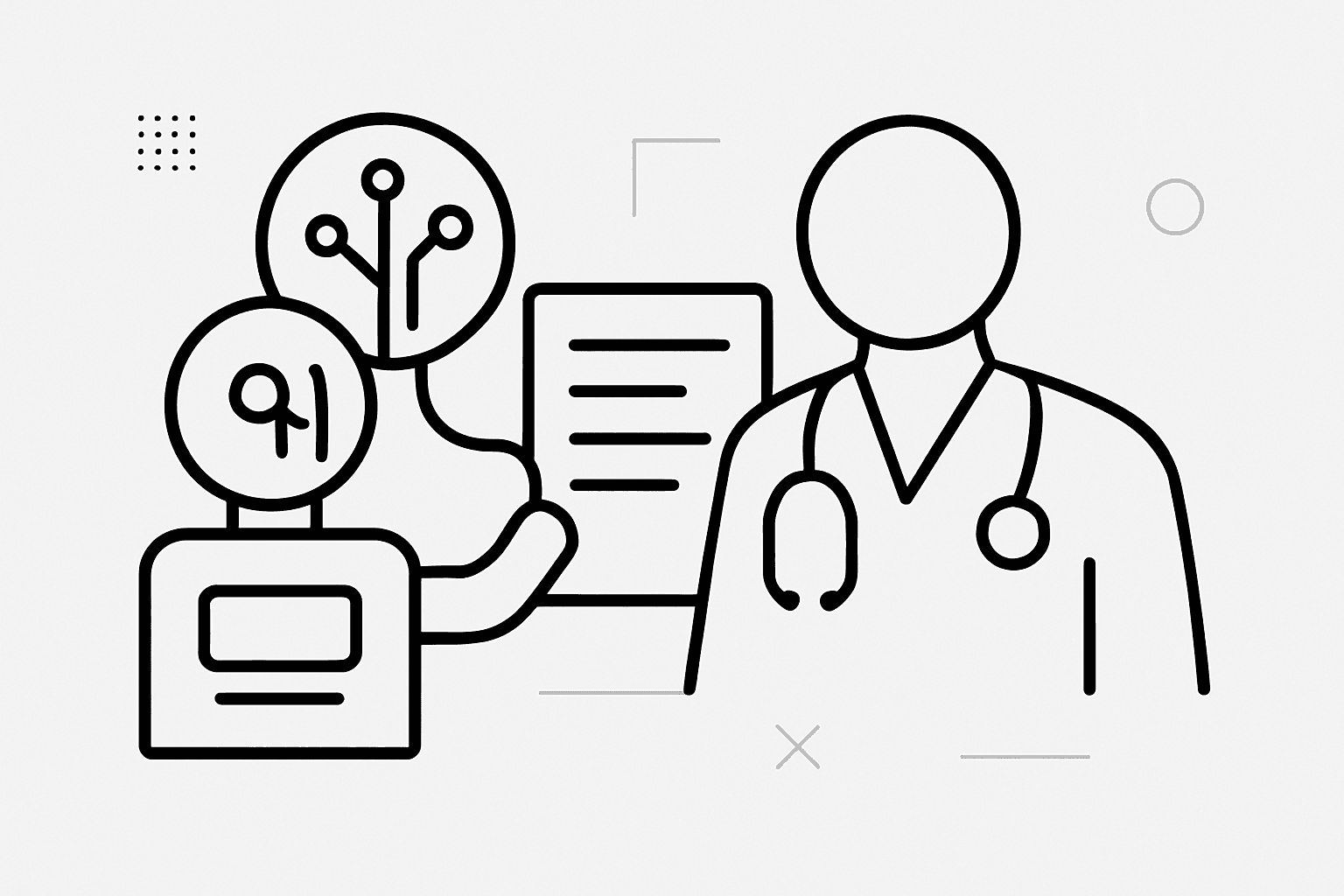
Physicians have long been inundated with paperwork, often leading to high levels of stress and burnout. As practitioners familiar with both the opportunities and challenges of AI, we understand that the solution isn't as simple as adding technology to the mix. It's about finding the right kind of technology that addresses core issues in clinical documentation.
The Documentation Dilemma
Record-keeping in healthcare is a double-edged sword. It's essential for patient care and legal protection, yet it often pulls physicians away from valuable face-to-face time with patients. Manual documentation processes can lead to excessive workload, contributing significantly to physician burnout. A solution was needed, and AI has entered the scene, offering much more than just automation of tasks.
Smarter AI, Not More AI
One thing we've learned in building ScribeDesk, our AI-powered clinical documentation tool, is that the quality of AI solutions is paramount. Smarter AI helps by understanding the context in which doctors operate. For instance, natural language processing enables physicians to dictate notes naturally, while machine learning algorithms assist in structuring these notes accurately and efficiently. This reduces the time spent on documentation and improves data accuracy.
Better Integration with Workflows
AI should seamlessly integrate into existing workflows rather than complicate them further. At AI Overflow, we emphasize creating systems that require minimal training and fit organically into doctors' daily routines. Our product, ScribeDesk, achieves this by using intuitive interfaces and offering real-time feedback, making the transition from traditional methods to AI-enhanced documentation smooth for physicians.
The Human Element
Even as we embrace technology, we acknowledge the irreplaceable role of human insight and empathy in healthcare. AI should not replace human interaction; instead, it should enhance the healthcare professional's ability to focus on what truly matters—the patient. This means AI solutions must be developed with a deep understanding of the workflow and pressures faced by medical professionals.
At AI Overflow, we know that addressing physician burnout through AI is more than just about reducing paperwork. It's about crafting solutions that align with their priorities and practices. If you are exploring how AI can align with your clinical needs, talk to us about your goals.