Building AI Products Non-Technical Users Actually Trust
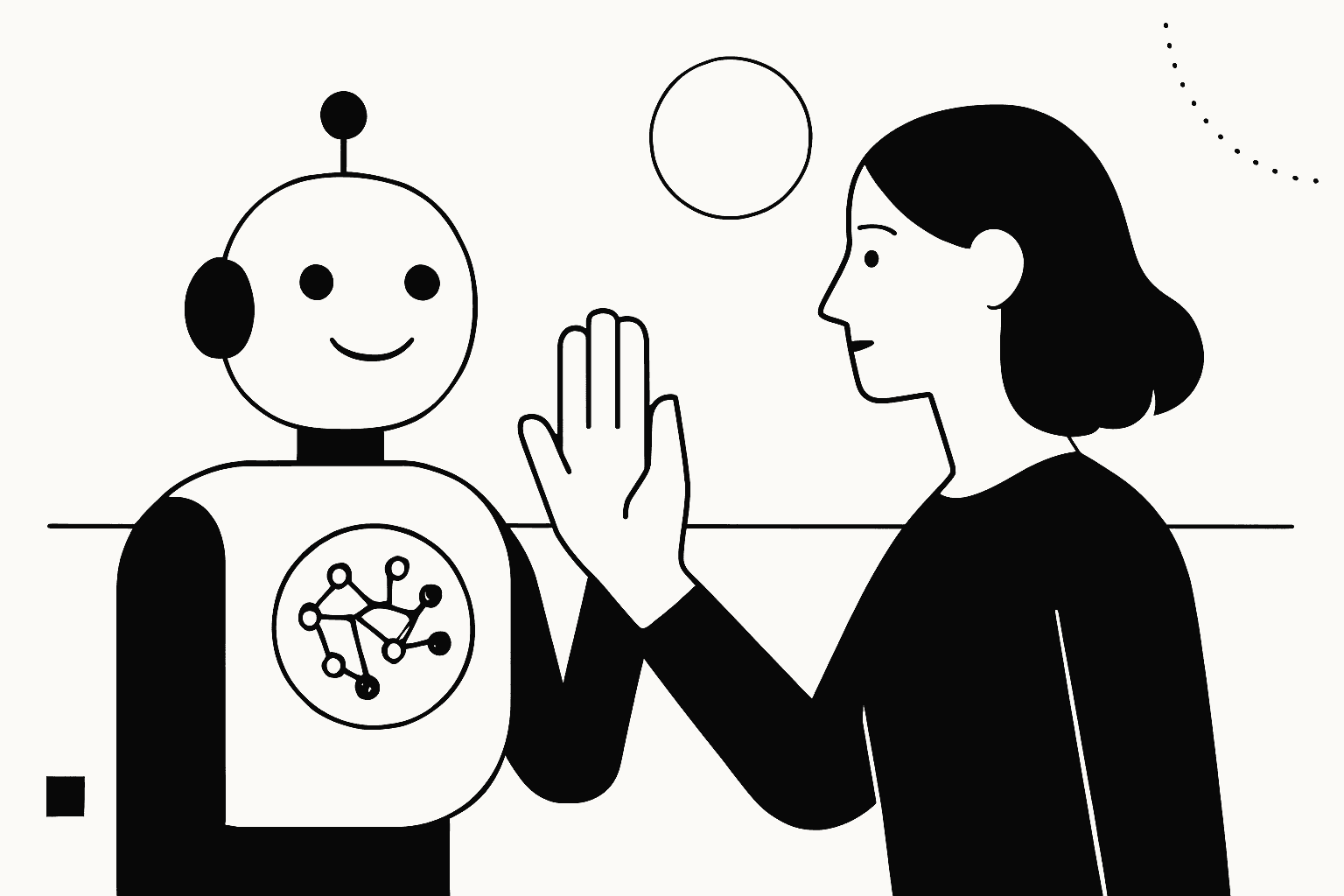
In today's fast-evolving AI landscape, designing products that non-technical users can trust is both a challenge and an opportunity. Trust is fundamental, yet it’s often overlooked during development cycles. At AI Overflow, we've discovered that trust starts with understanding user needs and ends with transparent design practices.
Understanding User Needs
The first step in building trustworthy AI products is gaining a deep understanding of who your users are and what they need. Many businesses jump directly into technical feasibility and scalability, but overlooking user needs can lead to resistance and misunderstanding. We prioritize involving users early and often in the development process. This doesn’t mean just gathering requirements but engaging in continuous dialogue to understand their workflows, pain points, and how they naturally solve problems. This helps us develop AI solutions that don’t just meet requirements but integrate seamlessly into their lives.
Designing for Transparency
A critical aspect of trust is transparency. Non-technical users often hesitate to rely on systems they don’t understand. At AI Overflow, we adopt a design approach that emphasizes clarity and openness. This means clearly communicating how the AI makes decisions or gives recommendations. In our products like ScribeDesk and Sell OS, we make the AI’s decision pathway visible and include intuitive dashboards and explanations that demystify its processes.
By showing users not only the outcome but also the steps that led to it, we empower them to make informed decisions. Explaining AI with layman-friendly terms and visuals rather than technical jargon can be a game-changer in building user confidence and trust.
Ensuring Consistency and Reliability
Consistency in experience is another cornerstone of trust. Users need to know that the AI will behave predictably and give consistent results. This reliability is achieved not only by rigorous testing but also by setting correct user expectations from the onset. We ensure that our products are built on solid data foundations and that their outputs are consistently accurate. When unexpected results occur, users have clear channels to provide feedback, allowing us to address concerns swiftly and transparently. This process of continuous improvement through user feedback helps in solidifying trust.
In conclusion, building AI products that non-technical users trust involves a commitment to understanding their needs, providing transparency, and ensuring consistency. At AI Overflow, we're dedicated to designing AI systems that are not only powerful but also accessible and reliable to everyone.
If you're facing challenges in building AI solutions that users can trust, or if you aim to improve existing ones, feel free to reach out to us here. We're eager to help you transform your vision into reality.