Reducing Clinical Admin Load: The Case for AI Scribes in Indian Hospitals
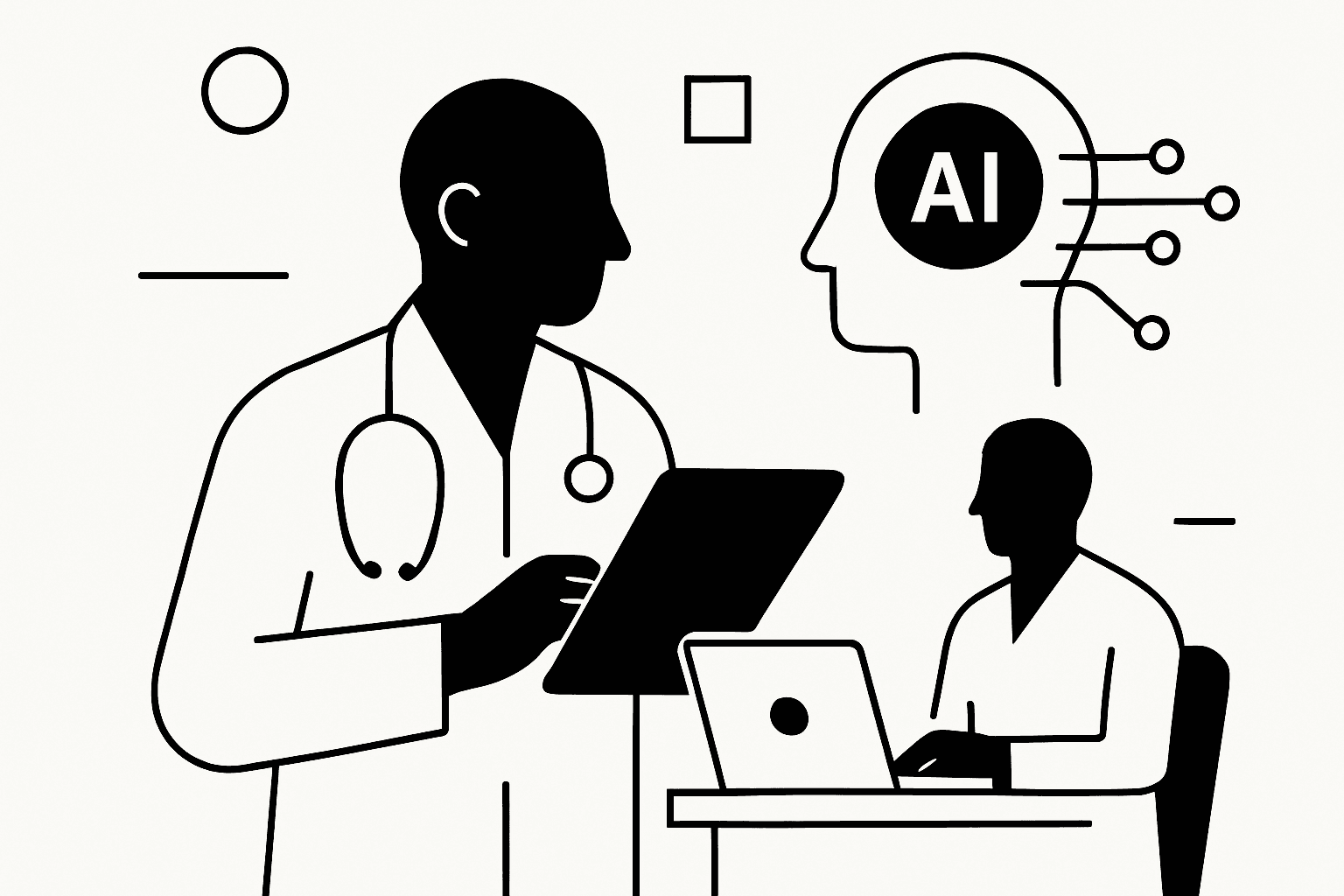
The workload on healthcare professionals in India is immense, often skewed towards administrative tasks, resulting in less time for patient care. While technology has found its place in many aspects of healthcare, documentation remains a bottleneck. Here, AI scribes offer a promising solution to alleviate this burden and improve hospital efficiency.
The Burden of Documentation
In most hospitals, physicians spend more time on administrative paperwork than directly interacting with patients. This imbalance can lead to physician burnout, reduced job satisfaction, and potential impacts on patient care quality. The pressure is even more pronounced in Indian hospitals, where resource constraints and a high patient-to-doctor ratio exacerbate the issue. An AI scribe can automatically document patient interactions, efficiently managing notes and updating patient records without diverting clinicians' focus.
How AI Scribes Work
AI scribes are designed to listen and process clinical conversations, creating accurate and detailed medical records in real-time. These systems, like our ScribeDesk, are tailored to understand a range of accents and dialects, common in India's diverse linguistic landscape. The technology leverages natural language processing (NLP) to generate precise transcripts and structure data appropriately. By integrating seamlessly with existing electronic health record (EHR) systems, AI scribes allow healthcare providers to concentrate on delivering care, safe in the knowledge that documentation tasks are managed efficiently.
Transforming Hospital Operations
Implementing AI scribes in Indian hospitals means more than just reducing paperwork; it transforms the entire clinical workflow. With documentation taken care of, the attention can shift to more critical aspects of patient care and operational efficiency. Hospitals can expect not only a reduction in administrative overhead but also an improvement in the accuracy of records, leading to better patient outcomes. Additionally, AI scribes help institutions comply with data-entry standards and ensure that documentation is always up to date, alleviating concerns of manual data entry errors.
In conclusion, AI scribes represent a crucial advancement in the quest to diminish the administrative burdens placed on healthcare professionals in India. Their ability to streamline documentation allows medical staff to focus on what truly matters—providing quality patient care. If you’re interested in exploring how AI can enhance your hospital's operations, visit our contact page to discuss your specific needs.